 English
 français
 italiano
 Español
 português
 العربية
Jun 12, 2025
Blog

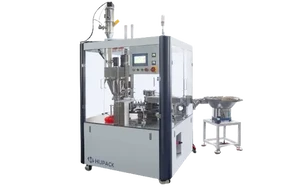
Kcup filling machines automate the dosing, filling, sealing, and discharge of single-serve coffee pods. They help coffee roasters, private-label producers, and contract packers improve output while maintaining consistent fill weight and seal quality.
Equipment selection should consider production capacity, coffee characteristics, cup and lid materials, automation level, cleaning requirements, and downstream packaging. Buyers should compare acceptable finished pods per hour rather than relying only on a machine’s advertised maximum speed.
The efficiency of a kcup filling machine depends on more than filling speed. Capsule feeding, coffee flow, lid placement, sealing, rejection, and packaging must operate as a coordinated process.
Key performance indicators include:
Acceptable filled cups per hour
Fill-weight accuracy
Seal acceptance rate
Coffee and packaging waste
Changeover time
Cleaning time
Unplanned downtime
Labor requirements
A high-speed machine can still deliver low effective output if cup feeding is unstable or sealing defects require frequent stops. Production trials should use coffee with similar grind size, density, and oil content to the intended product.
Consistent coffee weight affects brewing strength, extraction, and customer experience. A reliable coffee K cup filling machine should maintain accurate dosing throughout continuous production.
Quality checks may include:
Net coffee weight
Variation between cups
Cup-rim cleanliness
Lid position
Seal strength
Leakage
Cup deformation
Coding accuracy
Fine coffee powder left on the cup rim may weaken the seal. Rim-cleaning devices, stable cup positioning, and controlled dosing are therefore important.
Buyers should define acceptable weight variation and sealing standards before equipment trials. Automatic weighing, vision inspection, and rejection systems may be added when production volume justifies the investment.
Coffee dust and oils can accumulate around hoppers, augers, cup guides, sealing heads, and sensors. Regular cleaning helps prevent inaccurate dosing, weak seals, and unexpected downtime.
Daily tasks may include:
Removing residual coffee
Cleaning product-contact components
Inspecting cup guides and lid stations
Cleaning sealing surfaces
Checking sensors and vacuum pickups
Periodic maintenance should cover motors, bearings, chains, pneumatic systems, heaters, temperature controls, and dosing components.
A K cup sealer also requires inspection of the sealing head, heater, pressure system, and temperature controls. Worn parts should be replaced before they cause recurring packaging failures. Buyers should confirm spare-parts availability and preventive-maintenance guidance with the supplier.
The purchase price is only one part of the total investment. The final cost may also include cup molds, conveyors, coding systems, nitrogen flushing, air compressors, inspection units, installation, and operator training.
When evaluating a K cup filling machine for sale, buyers should confirm whether the quotation includes:
Cup feeding
Coffee dosing
Rim cleaning
Lid feeding and placement
Heat sealing
Coding
Rejection
Discharge conveyors
Change parts
Recommended spare parts
A lower-priced machine may become more expensive if essential systems must be purchased separately. Total ownership cost should also include labor, power, compressed air, maintenance, coffee waste, packaging waste, and downtime.
A small K cup filling machine may be suitable for product development, samples, seasonal products, or small specialty batches. Manual and semi-automatic machines usually require operators to load cups, place lids, or transfer finished pods.
Automated equipment can complete cup feeding, dosing, lid placement, sealing, inspection, and discharge with limited intervention. It generally offers:
Higher production capacity
More consistent dosing
Lower labor requirements
Stable sealing conditions
Automatic rejection
Easier connection with packaging equipment
However, automated systems require a higher initial investment. Manufacturers with frequent recipe changes or low annual output should compare expected labor savings with equipment and changeover costs.
K-Cup-style pods may use different plastic structures, filter components, and lid materials. A machine must match the dimensions, rigidity, rim design, and heat-sealing layer of the selected cup.
Before choosing equipment, buyers should coordinate with K cup suppliers and confirm:
Cup dimensions and tolerances
Cup material
Rim flatness
Filter type
Lid material
Recommended sealing temperature
Storage and feeding behavior
Different K cup manufacturers may produce cups with small dimensional variations that affect feeding or sealing. Representative production materials should therefore be tested rather than relying only on drawings.
Coffee properties are equally important. Grind size, bulk density, moisture, and oil content can change dosing performance. Specifications should be confirmed with the selected K cup coffee suppliers before machine testing.
After filling and sealing, finished pods may need to be counted, grouped, wrapped, cartoned, or case-packed. A K cup packaging machine should receive products at a speed compatible with the filler.
Integration planning should consider:
Cup discharge orientation
Conveyor height and direction
Buffering capacity
Product counting
Date and batch coding
Inspection and rejection points
Carton size
Case-packing requirements
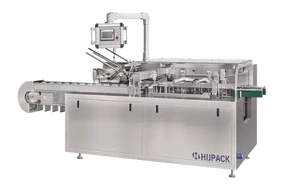
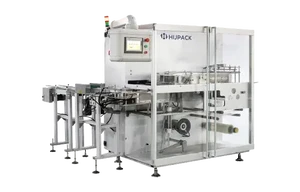
For retail boxes, vertical cartoning or other automatic cartoning equipment can reduce manual loading and improve line continuity. However, downstream equipment must be able to handle the filler’s effective output without creating a bottleneck.
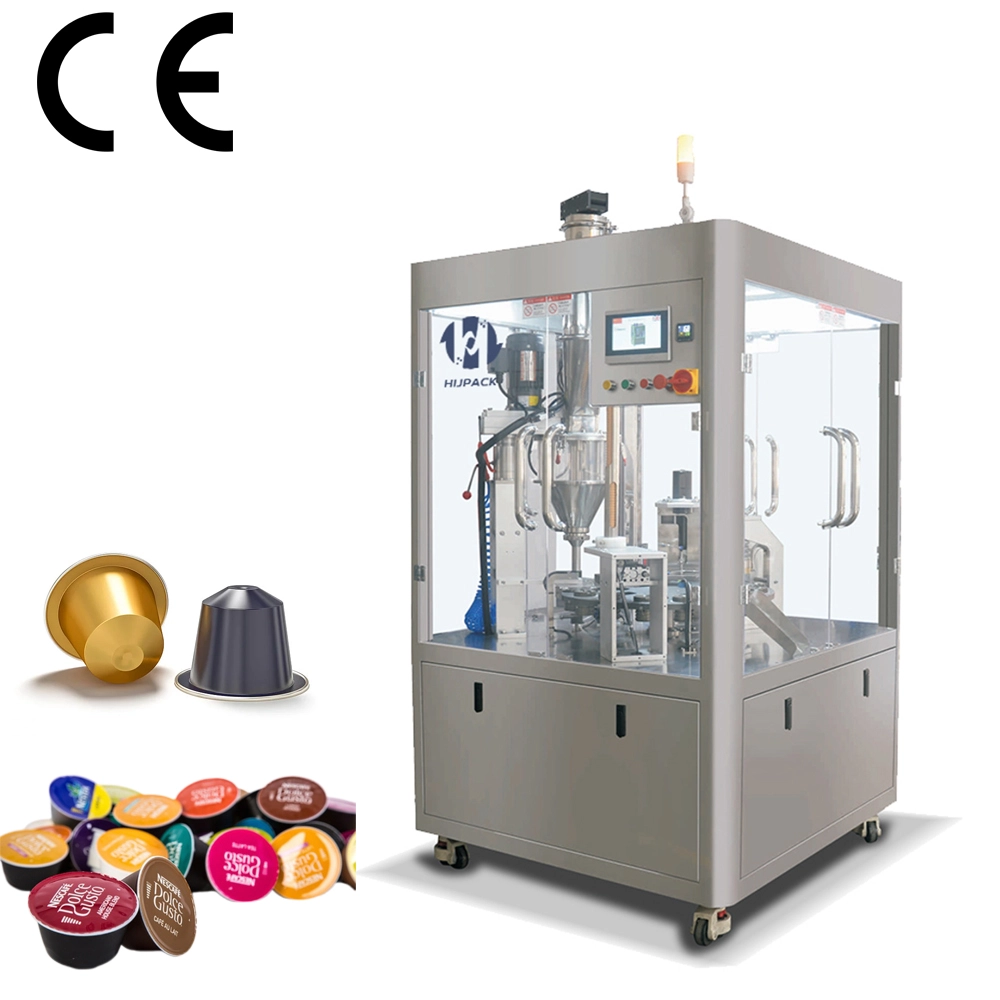
Manufacturers planning to expand into other capsule formats should not assume that K-Cup equipment can be directly converted. A Nespresso capsule filling and sealing machine uses different capsule feeding, dosing, and sealing components.
A coffee-pod production line should include safety guards, emergency stops, electrical protection, and interlocks around moving and heated components.
Product-contact parts should be made from materials suitable for food processing and designed for effective cleaning. Buyers should also confirm local electrical, workplace, and food-production requirements.
Important safety checks include:
Protection around moving parts
Temperature control at sealing stations
Safe access for cleaning
Emergency-stop placement
Electrical enclosure protection
Compressed-air requirements
Clear operating procedures
Equipment design alone does not establish food-safety compliance. The manufacturer remains responsible for sanitation procedures, material approval, production controls, and facility requirements.
Operator training directly affects machine efficiency. Incorrect setup may cause dosing variation, cup jams, lid misalignment, weak seals, or unnecessary waste.
Training should cover:
Startup and shutdown
Recipe and speed settings
Hopper loading
Cup and lid replenishment
Seal-temperature adjustment
Changeovers
Cleaning
Fault diagnosis
Emergency procedures
Common operational problems include unstable coffee flow, contaminated cup rims, deformed cups, and inconsistent lid pickup. Operators should change one process variable at a time during troubleshooting and record the result.
Clear manuals, spare-parts lists, and remote technical support can shorten recovery time when production issues occur.
Modern K cup filler systems increasingly use servo controls, touchscreen recipe storage, online weighing, vision inspection, and automatic rejection.
Other developments include:
Faster format changeovers
Improved nitrogen flushing
Real-time production monitoring
Remote diagnostics
Automatic cup and lid replenishment
Better dust control
Connection with cartoning and case-packing systems
Manufacturers are also testing recyclable and alternative pod materials. These materials may behave differently during feeding and sealing, so equipment settings and tooling may require adjustment.
Selecting suitable K cup filling machines requires a complete evaluation of coffee properties, cup and lid materials, filling accuracy, sealing performance, automation, maintenance, and downstream packaging.
Representative production trials are essential. By providing cup samples, coffee specifications, target capacity, package requirements, and acceptance standards, buyers can select a system that delivers stable output and consistent finished coffee pods.