 English
 français
 italiano
 Español
 português
 العربية
Mar 25, 2024
Blog

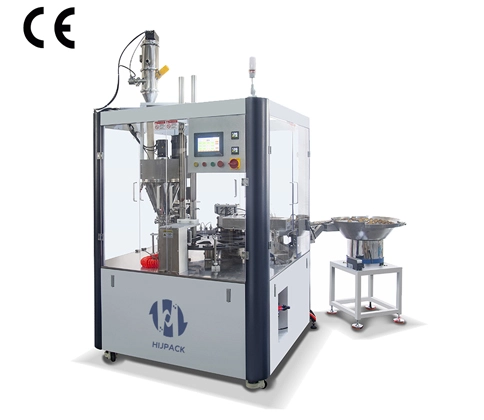
A coffee pod making machine automates the dosing, forming, filling, sealing, and discharge of single-serve coffee pods or capsules. It helps coffee roasters, private-label brands, and contract manufacturers increase output while maintaining consistent coffee weight and package quality.
Machine selection should be based on pod format, coffee characteristics, target capacity, sealing material, automation level, and cleaning requirements. Manufacturers should also consider how the equipment connects with coding, inspection, cartoning, and other downstream packaging processes.
The best equipment is not necessarily the fastest or most expensive. It should match the intended product, production volume, and available factory resources.
Buyers should evaluate:
Supported pod or capsule formats
Coffee dosing accuracy
Effective output per hour
Seal acceptance rate
Product changeover time
Cleaning accessibility
Nitrogen-flushing options
Inspection and rejection systems
Spare-parts availability
Technical support
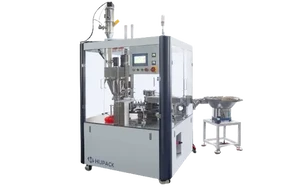
A complete coffee pod filling and sealing machine may integrate pod feeding, coffee dosing, rim cleaning, lid placement, sealing, coding, and discharge. Buyers should test the system with their actual coffee, pods, and sealing materials before making a final decision.
Single-serve coffee products are available in several formats, including soft filter-paper pods, K-Cup-style cups, and Nespresso-compatible capsules. Each format requires different tooling and production processes.
A K cup pod filler uses rigid cups and foil lids, while a Nespresso pod filling machine is designed for smaller aluminum or plastic capsules. Soft coffee pods may require filter-paper forming, coffee dosing, and perimeter sealing.
When comparing formats, manufacturers should consider:
Target brewing system
Pod or capsule cost
Coffee fill weight
Sealing method
Retail market demand
Packaging requirements
Material availability
Equipment changeover difficulty
A machine designed for one format cannot normally process another format without major tooling or structural changes.
The environmental impact of coffee pods depends on their material, weight, production efficiency, and local collection systems.
Manufacturers may evaluate recyclable aluminum, recyclable plastic, compostable filter paper, or bio-based materials. However, alternative materials must still provide suitable oxygen and moisture protection.
A coffee pod manufacturing machine can also support sustainability by improving dosing accuracy, reducing defective seals, and minimizing startup waste.
Before adopting a new material, manufacturers should test:
Feeding stability
Dimensional consistency
Heat resistance
Seal strength
Leakage performance
Shelf-life protection
Behavior during storage and transport
Environmental claims should reflect the complete packaging system rather than the appearance of the pod alone.
Single-serve pods normally cost more per gram than bulk ground coffee because each unit requires an individual pod, lid, filling operation, seal, and secondary package.
For manufacturers, the total cost per pod may include:
Roasted and ground coffee
Empty pod or capsule
Lid or filter material
Filling and sealing labor
Nitrogen
Coding and inspection
Rejected products
Secondary packaging
Equipment depreciation
Maintenance and utilities
An automatic coffee pod filling machine may reduce labor cost per unit at higher volumes. However, small producers should avoid purchasing equipment with far more capacity than their sales demand.
The correct comparison should be based on acceptable finished pods rather than machine speed or raw coffee cost alone.
In the single-serve market, Nespresso-compatible and K-Cup-style systems are among the most widely recognized formats. Producers should select equipment according to the exact capsule specifications rather than relying only on a format name.
A Nespresso pod filler must match the capsule diameter, height, rim, and lid structure used in production. K-Cup-style equipment requires different cup guides, filters, dosing parts, and sealing heads.
When comparing equipment manufacturers, buyers should review:
Experience with the required format
Sample-testing capability
Machine construction
Dosing and sealing accuracy
Documentation and training
Warranty coverage
Spare-parts delivery
Remote troubleshooting
Installation support
A specialized supplier with relevant pod-production experience may provide better support than a general packaging-machinery company.
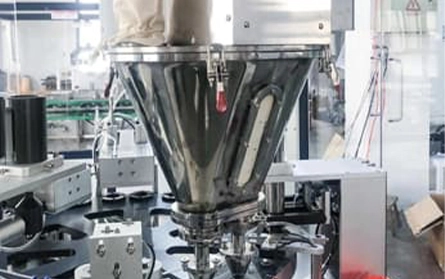
Coffee powder and oils can accumulate around hoppers, dosing systems, pod guides, vacuum components, and sealing stations.
Daily cleaning should include:
Removing remaining coffee
Cleaning product-contact parts
Inspecting pod-feeding tracks
Cleaning sealing surfaces
Checking lid pickup systems
Removing dust from sensors
A coffee pod sealing machine also requires routine inspection of heaters, sealing heads, pressure systems, and temperature controllers.
Periodic maintenance should cover motors, bearings, chains, pneumatic parts, dosing augers, and safety devices. Critical replacement parts should be kept in stock to reduce production downtime.
The equipment does not create coffee flavor, but dosing accuracy and sealing quality can affect extraction consistency and freshness.
A reliable pod filling machine should maintain:
Consistent coffee weight
Stable coffee distribution
Clean pod rims
Correct lid positioning
Secure seals
Low oxygen exposure
Minimal pod deformation
Coffee grind size, bulk density, oil content, and moisture influence filling performance. Fine or oily coffee may flow less consistently and require different dosing settings.
A coffee pod sealer machine must also create a continuous seal without overheating or deforming the pod. Nitrogen flushing may be added when lower residual oxygen is required, but its performance should be verified through testing.
Some pod filling machines are designed for one format, while others support several sizes through interchangeable molds and guide parts.
Buyers should confirm whether the machine can handle:
Different pod diameters
Multiple fill weights
Coffee and non-coffee powders
Alternative lid materials
Different sealing temperatures
Small and large production batches
Future package formats
Versatility should not be judged only by the number of advertised products. Changeover time, tooling cost, cleaning effort, and production stability are equally important.
A machine that changes formats quickly may be more valuable than a multi-format system requiring extensive disassembly.
Coffee-pod production allows brands to offer espresso blends, single-origin coffee, flavored coffee, decaffeinated products, and different roast strengths.
Each recipe may require changes to:
Fill weight
Dosing speed
Auger settings
Nitrogen flushing
Cleaning procedures
Packaging identification
Flavored coffee may create carryover risks, while darker roasts may contain more surface oil. Manufacturers should clean the hopper and dosing system carefully between products.
Stored machine recipes can help operators reproduce settings for frequently produced varieties.
Consumer feedback on single-serve coffee commonly focuses on flavor, convenience, pod compatibility, seal quality, and brewing consistency.
For manufacturers, recurring complaints can reveal production issues. Weak flavor may indicate incorrect fill weight or grind size. Leaking pods may result from poor sealing or dimensional variation. Capsules that do not fit the brewer may indicate inconsistent pod materials.
Feedback should therefore be used alongside production data to review:
Dosing consistency
Seal integrity
Pod dimensions
Brewing performance
Flavor protection
Packaging damage
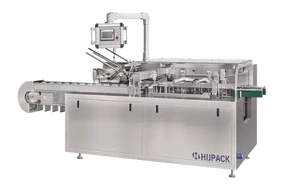
After filling and sealing, individual pods may be transferred to a coffee pod packaging machine or cartoning machines for pods in individual bags. Secondary packaging should protect the finished units while providing accurate labeling and convenient retail presentation.
Choosing a suitable coffee pod making machine requires careful evaluation of pod format, coffee properties, dosing accuracy, sealing performance, maintenance, sustainability, and downstream packaging.
Representative trials using the intended coffee, pods, and lids help verify effective production speed and finished-product quality. By defining capacity, material, changeover, and acceptance requirements in advance, manufacturers can select a system that supports reliable pod production and consistent consumer experience.