 English
 français
 italiano
 Español
 português
 العربية
Apr 24, 2025
Blog

A coffee filling machine automates the dosing, filling, sealing, and discharge of coffee capsules or pods. The right equipment can improve fill-weight accuracy, reduce coffee waste, maintain sealing consistency, and support higher production output.
Machine selection should be based on capsule format, coffee characteristics, target capacity, automation level, sealing method, and cleaning requirements. Buyers should evaluate the complete production process rather than focusing only on the machine’s maximum speed.
Coffee filling equipment is available in manual, semi-automatic, and fully automatic configurations.
Manual machines are suitable for product trials, samples, and low-volume production. Semi-automatic systems reduce labor while allowing operators to control capsule loading or selected production steps.
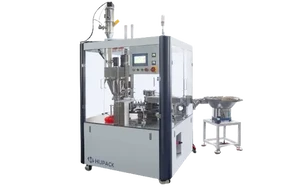
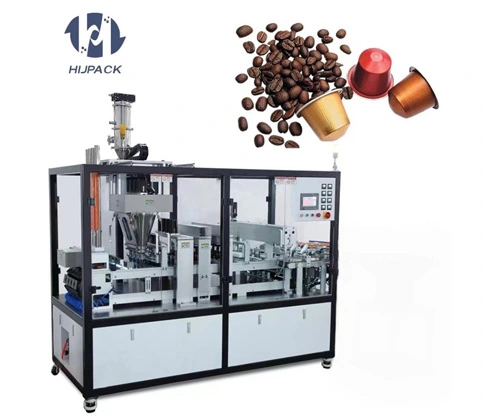
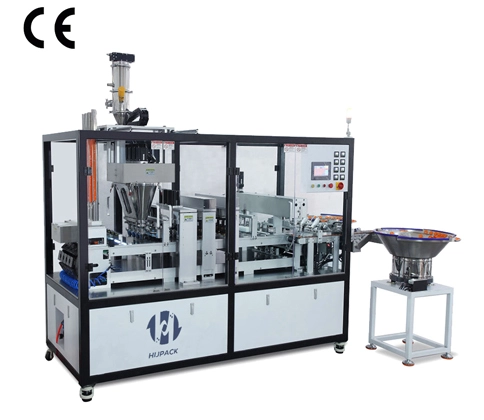
An automatic coffee filling machine can integrate capsule feeding, coffee dosing, tamping, lid placement, sealing, coding, rejection, and discharge.
The equipment must also match the capsule format. Dolce Gusto compatible filling machines, a Nespresso capsule filling machine, and K-Cup equipment require different molds, feeding components, filling settings, and sealing systems.
Manufacturers planning to produce several capsule formats should confirm whether change parts are available and how long each format conversion takes.
Machine efficiency should be measured by the number of acceptable finished capsules produced per hour, not only by mechanical speed.
Important indicators include:
Dosing accuracy
Capsule feeding stability
Seal acceptance rate
Product changeover time
Cleaning time
Unplanned downtime
Operator requirements
Finished capsule output
A stable coffee capsules filling machine should maintain consistent performance during continuous operation. Buyers should request production trials using coffee with a similar grind size, bulk density, and oil content to the intended product.
Empty-machine speed does not accurately represent performance under real production conditions.
Regular maintenance helps maintain dosing accuracy, sealing quality, and production stability. Coffee particles and oils can accumulate around the hopper, filling system, transfer components, and sealing station.
Daily maintenance should include removing residual coffee, cleaning product-contact parts, inspecting sealing surfaces, and checking guides and sensors.
Periodic maintenance may cover:
Dosing augers or volumetric fillers
Pneumatic and vacuum systems
Heating and sealing units
Bearings, chains, and drive components
Capsule feeding tracks
Sensors and safety devices
Filters and dust-extraction systems
Producers should also keep essential spare and consumable parts available. A K-Cup production line, for example, may require reliable K cup sealer supplies, replacement heaters, seals, and lid-handling components.
The equipment price is only one part of the total investment. Buyers should also calculate installation, molds, utilities, labor, maintenance, packaging materials, and future format-change costs.
Major cost factors include:
Automation level
Number of filling lanes
Capsule format
Dosing technology
Nitrogen-flushing requirements
Sealing and inspection systems
Change parts
Coding and packaging equipment
Training and documentation
Spare parts and technical support
When evaluating a K cup filling machine for sale, buyers should confirm whether the quotation includes capsule feeding, coffee dosing, lid placement, sealing, coding, rejection, and required molds.
A lower initial quotation may become more expensive if important production functions must be purchased separately.
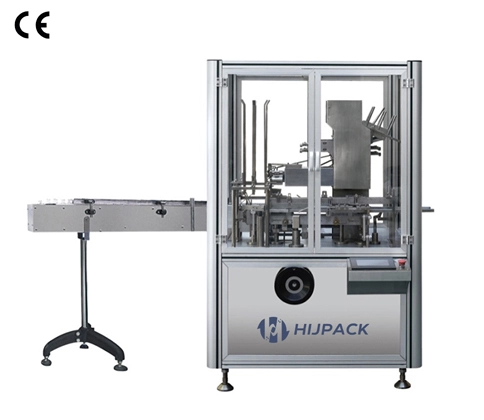
Filled and sealed coffee capsules may need to be counted, grouped, wrapped, cartoned, coded, or case-packed.
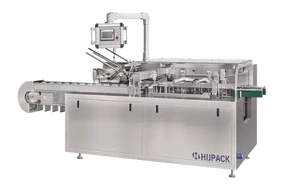
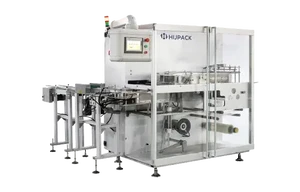
A coffee capsule packing machine should receive products at a speed compatible with the filling line. Poor synchronization can cause capsule accumulation, conveyor blockage, and frequent machine stops.
Integration planning should consider:
Capsule discharge direction
Conveyor height
Buffering capacity
Product counting and grouping
Batch or date coding
Carton or pouch format
Inspection and rejection points
Communication between machines
The coffee pod sealing machine may be integrated into the filler or installed separately. In both cases, sealing temperature, pressure, time, and capsule transfer must remain stable.
Automation reduces manual handling and helps maintain consistent production. Depending on the machine configuration, automated functions may include:
Capsule feeding
Coffee dosing
Tamping
Capsule-rim cleaning
Lid placement
Sealing
Coding
Inspection
Defective-product rejection
A complete coffee capsule production machine may also connect with nitrogen flushing, conveyors, capsule unscramblers, and secondary packaging systems.
However, automation should match actual production demand. Highly automated equipment may not be economical for frequent small batches, while high-volume production usually benefits from reduced labor and more stable cycle control.
Buyers should also evaluate operator involvement during loading, cleaning, changeover, and fault recovery.
Quality control should cover coffee weight, capsule condition, sealing integrity, and finished-product appearance.
Typical checks include:
Net coffee weight
Dosing variation
Capsule-rim cleanliness
Lid position
Seal strength
Leakage
Capsule deformation
Coding accuracy
Finished appearance
For Nespresso compatible filling machines, accurate capsule positioning and clean sealing surfaces are especially important. Coffee powder left on the rim may weaken the seal and reduce shelf-life protection.
Producers should define sampling frequency and acceptance limits. Automated weighing, vision inspection, or leak detection may be added when production volume and product requirements justify the investment.
Required capacity should be calculated from sales demand, working hours, cleaning time, product changeovers, and expected line efficiency.
For example, a factory requiring 60,000 acceptable capsules per shift must allow for coffee refilling, maintenance, format adjustment, and normal production stops. The selected machine may therefore need a nominal capacity above the average output requirement.
Capacity is also affected by:
Capsule size and material
Coffee flowability
Fill weight
Number of filling lanes
Sealing time
Nitrogen flushing
Inspection systems
Operator experience
A machine may not produce K-Cup, Dolce Gusto, and Nespresso-compatible capsules at the same speed. Each format should be evaluated separately.
Manual machines have lower initial costs and are suitable for testing recipes, making samples, or supplying small specialty markets. However, output and quality depend heavily on the operator.
Automatic systems require a higher investment but can provide:
Higher production capacity
Reduced manual handling
More consistent dosing
Stable sealing conditions
Automatic rejection
Easier packaging-line integration
Lower labor cost per capsule at scale
A small coffee roaster may begin with manual or semi-automatic equipment. A contract manufacturer producing large retail orders is more likely to require an automated line.
The decision should be based on annual production volume, labor availability, product variety, quality requirements, and expected growth.
| Problem | Possible Cause | Adjustment Direction |
|---|---|---|
| Inconsistent fill weight | Poor coffee flow or incorrect dosing | Check grind size, density, hopper level, and filler settings |
| Coffee on capsule rim | Excess dosing or poor alignment | Adjust dose, positioning, and rim cleaning |
| Weak seal | Incorrect temperature, pressure, or time | Verify sealing settings and lid compatibility |
| Capsule feeding stops | Deformed capsules or incorrect guides | Inspect capsules and feeding components |
| Lid misalignment | Unstable pickup or positioning | Check vacuum, sensors, and placement tooling |
| Excessive coffee dust | Fine grind or uncontrolled transfer | Review coffee specifications and dust extraction |
| Frequent stops | Dirty sensors or unstable air supply | Clean sensors and check utilities |
Troubleshooting should begin with the coffee, capsule, and lid materials before assuming the machine has failed. Changes in grind size, coffee oil content, capsule dimensions, or lid coatings can affect filling and sealing performance.
A reliable coffee capsule filling machine should match the capsule format, coffee properties, production capacity, sealing requirements, and packaging process. Buyers should compare effective output, changeover time, maintenance needs, quality-control systems, and total ownership cost rather than selecting equipment only by price or maximum speed.
Clear production requirements and representative sample trials can help manufacturers choose a system that delivers stable filling, secure sealing, and consistent finished coffee capsules.