 English
 français
 italiano
 Español
 português
 العربية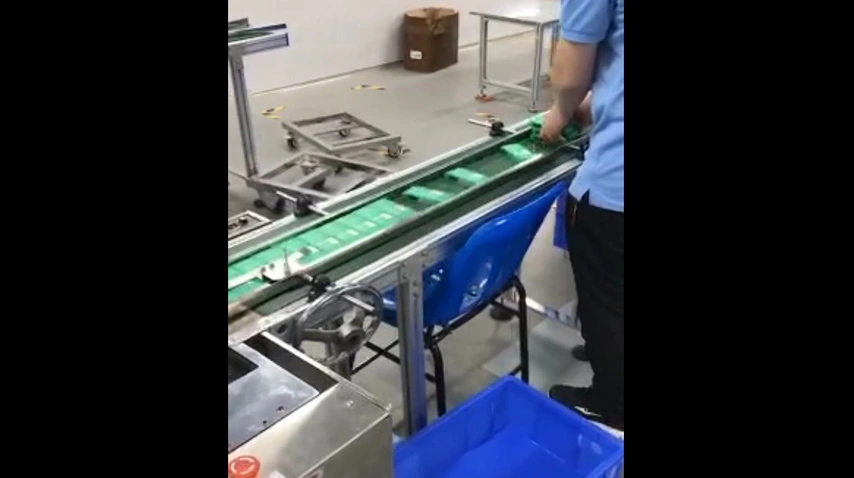
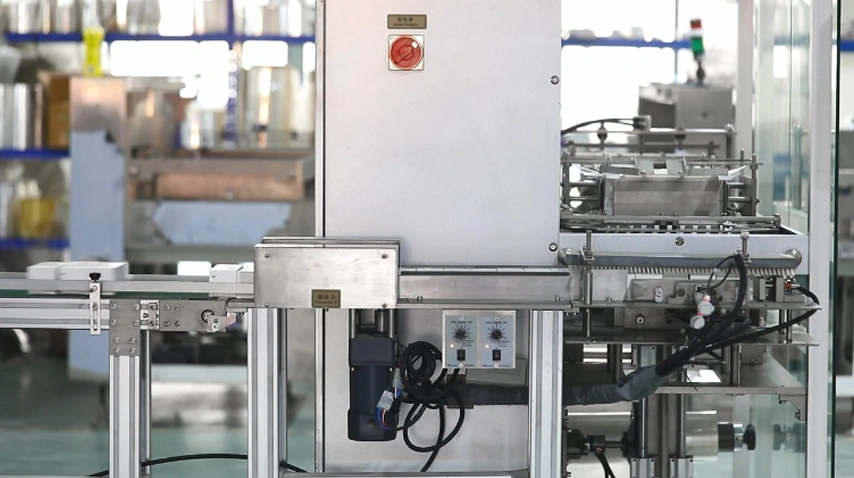
Efficiency
Cellophane wrapping machines can wrap products faster and more efficiently than manual wrapping.

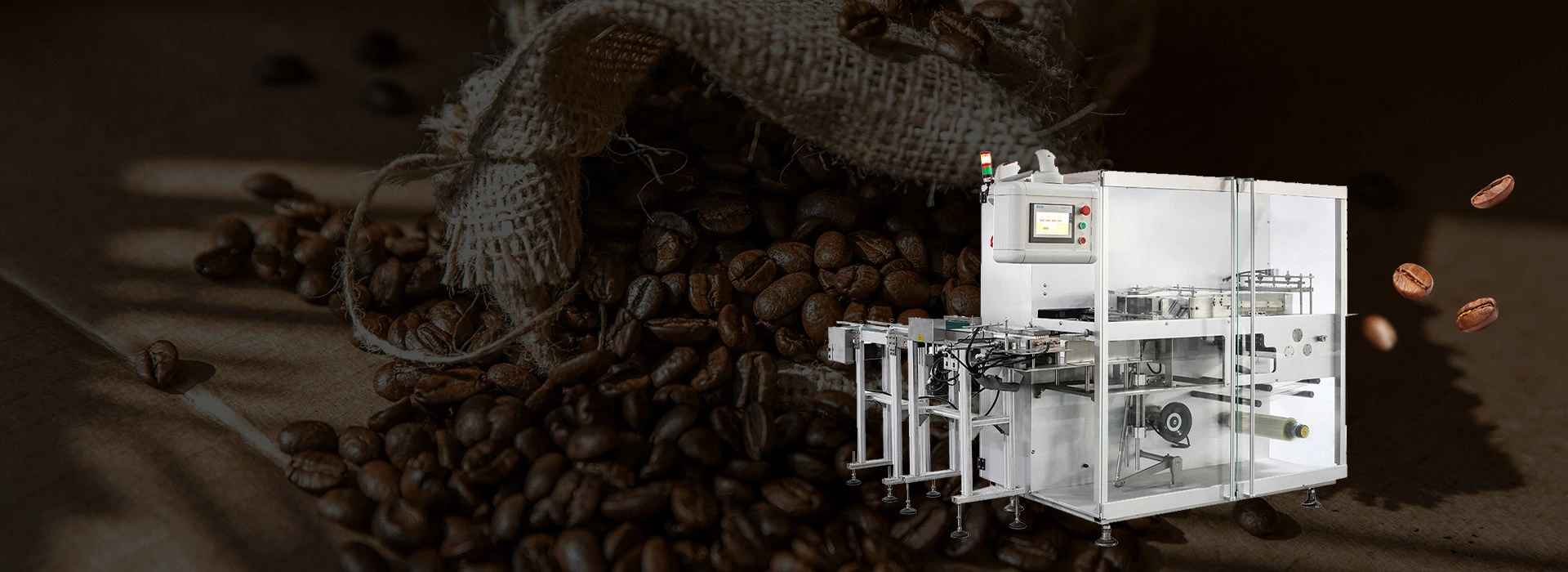

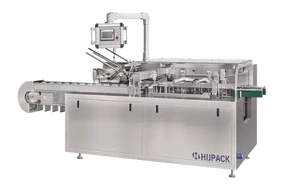
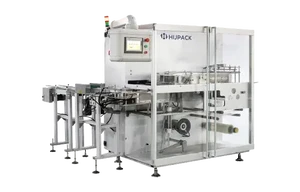
This machine, available as a cellophane packing machine or cellophane box wrapping machine configuration, is widely used in the packaging of various single large box items or the collective film packaging of multiple small box items (with gold wires) in industries such as pharmaceuticals, health care products, food, cosmetics, stationery, and audio-visual products.
The work of this cellophane packaging machine is completed by a series of servo motors inside the machine driving various connecting rods and components. The cello wrapping machine adopts a multi-functional digital display, variable frequency stepless speed regulation, PLC programming control technology, automatic box feeding, automatic counting, and a touch-screen human-machine interface. For boxed coffee and tea products, the platform can also be evaluated as coffee overwrapping machinery or a tea overwrapping machine according to box dimensions and output.
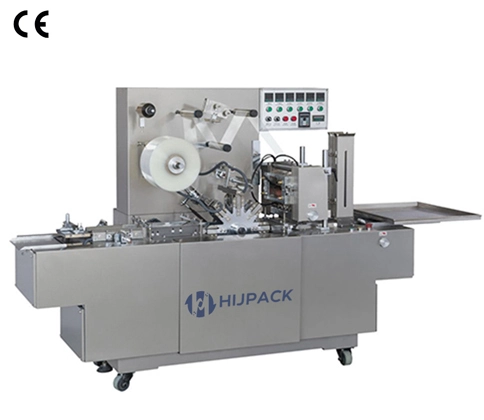
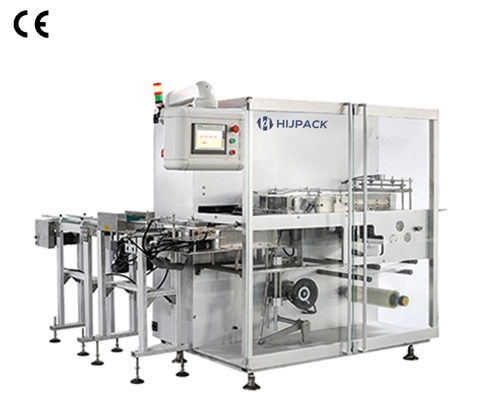
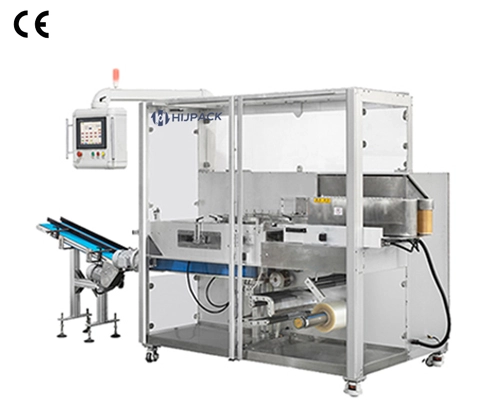
Start with the minimum and maximum box dimensions, then compare required speed, film thickness, sealing temperature, power supply and available floor space. TMB200 is listed for smaller boxes and 30–70 bags per minute; TMB300 covers larger boxes at 10–50 bags per minute; TMB450 supports a wider size range and 20–60 bags per minute. Buyers should test the real box, film and tear-tape material because friction, stiffness and folding performance can affect stable operation.
A manual system may suit very small batches, frequent product changes or early market testing, but it depends heavily on operator consistency. An automatic cellophane system can feed boxes, cut film, fold edges, heat-seal and count products with more repeatable presentation. When comparing the two options, calculate labor cost, daily output, film waste, changeover time and required package appearance. The correct choice depends on actual production volume rather than machine price alone.
A cellophane overwrapping system can be used for perfume cartons, cosmetic boxes, pharmaceutical boxes, playing cards, stationery, cigarette-style cartons and boxed food products. For coffee and tea brands, transparent overwrap can protect the printed carton, support tamper evidence and improve shelf presentation. Buyers should provide box orientation, grouped-pack requirements and whether a tear tape is needed. This information determines film width, folding structure, heating settings and upstream or downstream line integration.
Do not compare suppliers only by the advertised maximum speed. Confirm the tested speed for your box size, acceptable film types, sealing quality, changeover method, electrical components, spare parts, commissioning support and factory acceptance test. Ask the supplier to run your actual cartons and film continuously before shipment. The test should check wrinkles, loose corners, uneven seals, film tracking, tear-tape position and product rejection under normal production conditions.
Cellophane wrapping machines can wrap products faster and more efficiently than manual wrapping.
Cello wrapping machines ensure uniform and professional-looking wrapping, enhancing product presentation.
These cellophane wrap machines reduce labor costs and material waste, saving money in the long run.
The cellophane wrapping machine can wrap a wide range of products, from food items to cosmetics.
Cellophane packaging machines provide a sanitary way to package products, reducing contamination risks.


Cellophane Wrapping Machine has excellent packaging efficiency.
The maximum speed can reach 130 boxes/min, and the minimum speed can reach 20 boxes/min according to the box size.
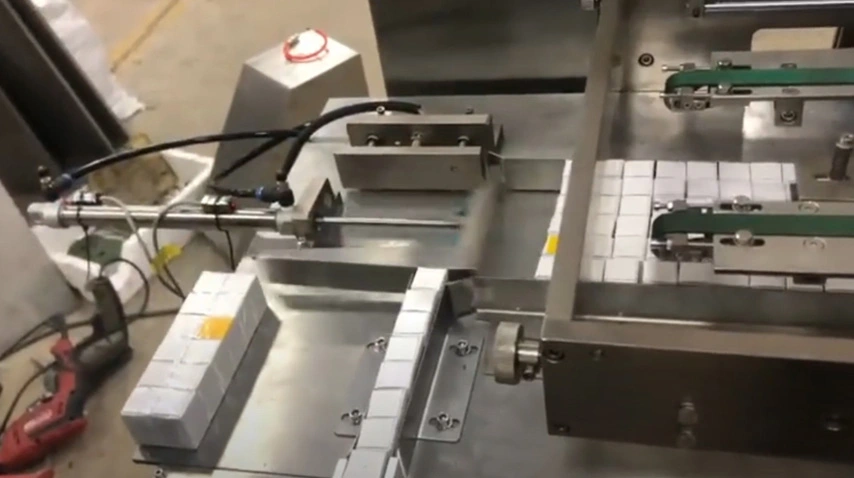
The cellophane packaging machine through the motor drive belt conveyor continuously transmits small boxes through the vertical box mechanism to the designated position, the cylinder pushes a certain number of small boxes to the lifting position, touches the proximity switch, and the machine begins to run periodically.
The cylindrical transparent film installed on the bracket is guided by the paper guide tube, the paper feed tube, and the traction of the rubber roller, cut by the rotary upper cutting knife and transferred by the belt to the lifting position and the box.
Lift the top plate to lift the bar and box, so that they bar and box reach the highest position of the transparent film, forming the "冂" shaped packaging; When the advancing mechanism is in contact with the strip and box, the bottom folding plate and the end folding device fixed at the bottom of the mechanism fold the bottom long side and the end short side of the strip and the back side of the box respectively; With the advance of the propulsion mechanism, the long side of the bottom and the short side of the end are folded simultaneously by the forming channel; The bottom heater heat seals the bottom long edge; Then the inner and outer heating plates at both ends heat seal the end of the strip and box; The strip and box are reshaped through the lower heating plate, and the transparent film packaging of the strip and box is complete.
Cellophane Wrapping Machine can wrap a wide range of products. Can be for the packaging box for the outside of the film packaging, including cosmetics box, perfume box, cigarette box, poker box, medicine box, etc., can be for a box for film, can also be for multiple boxes for film packaging.