 English
 français
 italiano
 Español
 português
 العربية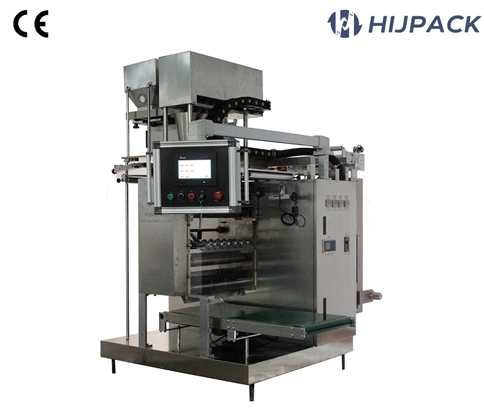
Apr 30, 2024
Company News

A coffee packaging machine packs coffee beans, ground coffee, instant coffee, pods, or capsules with consistent weight and reliable seals. The right system can reduce labor, protect freshness, and improve production efficiency.
Equipment selection should consider the coffee format, packaging material, fill weight, target speed, sealing method, automation level, and cleaning requirements. Buyers should evaluate actual saleable output rather than maximum mechanical speed alone.
Different coffee products require different filling and packaging systems.
A coffee bean packaging machine commonly uses weighing equipment to fill pouches or pre-made bags. Ground coffee may be packed into sachets, pods, capsules, or vacuum bags.
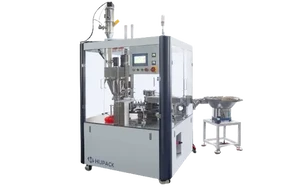
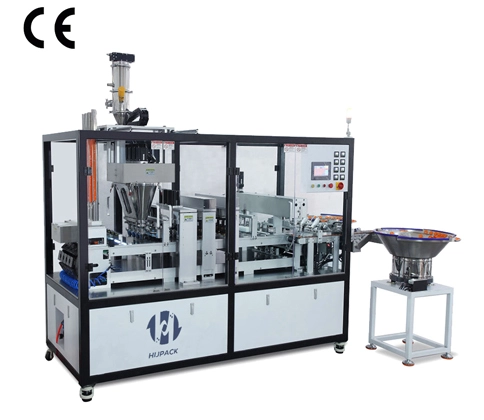
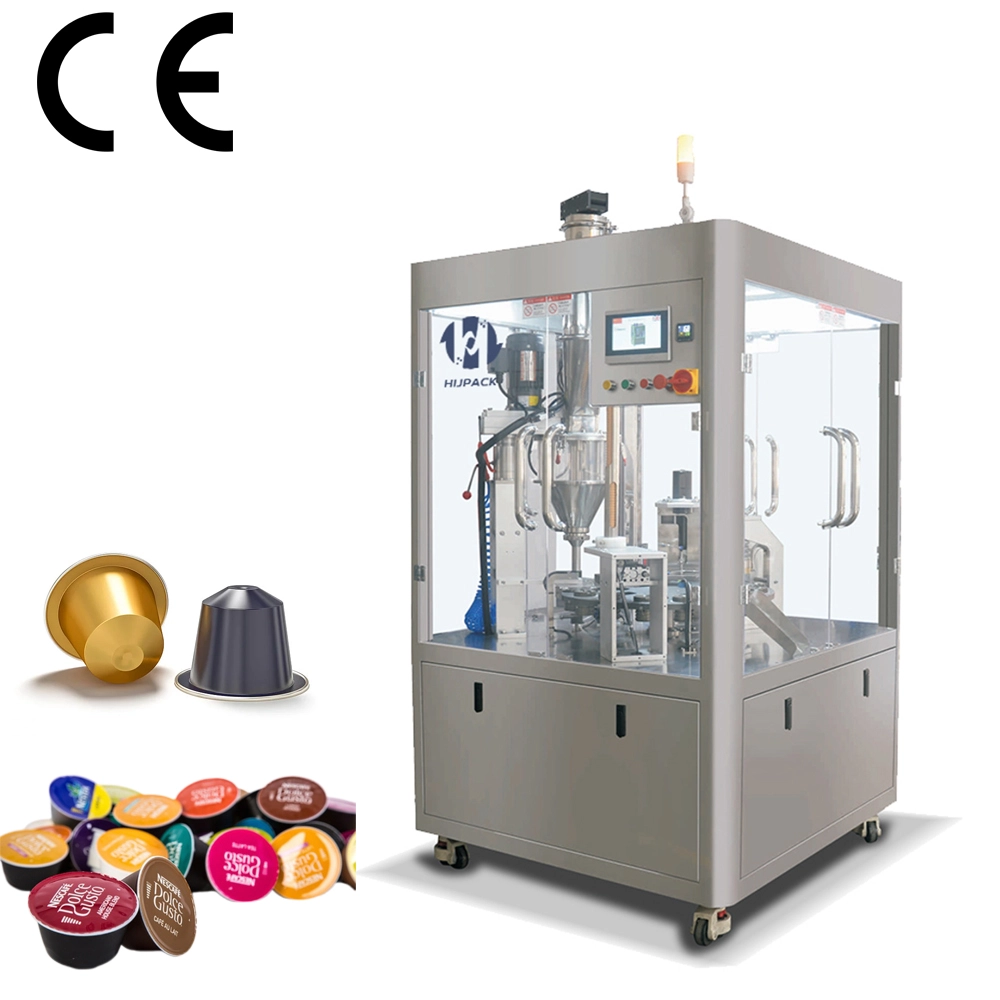
A coffee pod packaging machine handles coffee dosing, filter-paper forming, and sealing. A coffee capsule packaging machine is designed around a specific capsule size, lid material, and sealing structure.
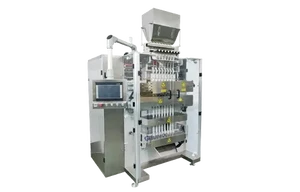
For single-serving instant products, coffee stick pack packaging machines form narrow sachets and fill them with powder. 2 in 1 instant coffee mix stick pack packaging machines can package coffee-and-creamer blends when the dosing system matches the powder characteristics.
A small coffee packaging machine is suitable for product trials and low-volume production, while larger factories generally require multi-lane automatic equipment.
The machine price depends on automation, filling technology, package format, speed, and optional systems.
Important cost factors include:
Manual, semi-automatic, or fully automatic operation
Number of filling lanes
Weighing, auger, or volumetric dosing
Nitrogen flushing
Date coding and inspection
Change parts for different sizes
Conveyors and secondary packaging
Installation, training, and spare parts
When comparing a coffee packaging machine for sale, buyers should confirm which components are included. A low quotation may exclude molds, conveyors, coding units, air compressors, or nitrogen systems.
The total cost should also include labor, maintenance, utilities, packaging waste, and product changeover time.
Automation can improve consistency and reduce manual handling. Depending on the configuration, an automatic line may perform:
Product feeding
Weighing or dosing
Bag or sachet forming
Nitrogen flushing
Sealing
Coding
Inspection
Rejection
Finished-pack discharge
A fully automated packaging coffee machine is valuable for stable, high-volume production. Semi-automatic equipment may be more practical for small batches or frequent product changes.
Buyers should also evaluate cleaning, loading, and changeover requirements. High speed provides limited value if the machine requires long stops between products.
Regular maintenance helps prevent inaccurate filling, weak seals, and unexpected downtime.
Coffee dust and oils may collect around hoppers, dosing systems, sealing jaws, conveyors, and sensors. Daily cleaning should remove product residue and inspect contact surfaces.
Routine maintenance may include:
Checking augers, weighing systems, and dosing cups
Cleaning heaters and sealing jaws
Inspecting pneumatic and vacuum systems
Checking belts, chains, bearings, and sensors
Inspecting film-tracking and cutting units
Replacing worn blades, seals, and heating elements
When evaluating coffee packaging machine manufacturers, buyers should confirm spare-parts availability, maintenance guidance, and remote technical support.
Sustainability depends on both the packaging material and machine performance.
Manufacturers may consider recyclable films, lighter packages, paper-based structures, compostable materials, or reusable capsules. Machines should also reduce film waste, coffee giveaway, compressed-air use, and energy consumption.
However, alternative materials may behave differently during feeding and sealing. Changes in thickness, stiffness, friction, or heat-seal layers can affect package quality.
New materials should therefore be tested on the actual equipment before large-volume purchasing.
Coffee brands often require different package sizes, fill weights, and retail formats. Flexible equipment can support multiple products through interchangeable parts and recipe settings.
Common customization options include:
Different bag widths and lengths
Flat, gusseted, or stand-up pouches
Coffee valves
Zippers or easy-open features
Nitrogen flushing
Custom capsule or pod molds
Multi-lane stick packaging
Coding and labeling systems
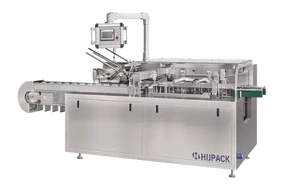
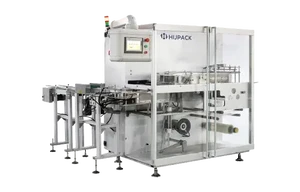
Connection with cartoning equipment
A coffee stick packaging machine may require different dosing settings when changing from pure instant coffee to coffee, sugar, and creamer blends.
Buyers should confirm changeover time, required tools, and whether future formats can be added.
Packaging materials must protect coffee from moisture, oxygen, light, and odors while running smoothly through the machine.
Common materials include laminated films, aluminum-based structures, paper composites, pre-made bags, filter paper, capsule lids, and plastic films.
Material properties influence:
Film feeding
Bag forming
Cutting accuracy
Seal temperature
Seal strength
Package appearance
Production speed
A coffee capsules packaging machine must match the capsule and lid materials. Similarly, stick-pack systems should be tested with the intended production film rather than a similar substitute.
Trials should verify sealing quality, leakage resistance, appearance, and storage performance.
Actual efficiency should be measured by acceptable finished packages per hour.
Performance is affected by:
Coffee flowability
Fill weight
Packaging material
Number of lanes
Sealing time
Cleaning frequency
Changeovers
Operator experience
Inspection systems
Downstream capacity
A fast coffee capsule packaging machine can still create a bottleneck if finished capsules must be manually counted or cartoned.
Buyers should request continuous trials using representative coffee and packaging materials. Tests should record fill accuracy, rejection rate, seal quality, and downtime.
There are many regional and international suppliers of coffee packaging machines. Brand recognition alone does not guarantee that a system is suitable for a specific product.
Buyers should compare:
Experience with the required coffee format
Sample-testing capability
Filling and sealing accuracy
Ease of cleaning
Changeover time
Technical documentation
Spare-parts supply
Installation and training
Warranty and service
A specialized supplier may provide a better solution than a larger manufacturer without relevant application experience.
Modern packaging machines for coffee increasingly use servo drives, touchscreen controls, recipe storage, automatic film correction, online weighing, vision inspection, and remote troubleshooting.
Integrated lines can connect filling, sealing, coding, inspection, conveying, and cartoning. This reduces manual transfer and improves production monitoring.
Equipment is also being adapted for thinner and more sustainable packaging materials through improved tension control and sealing systems.
Selecting a suitable coffee packaging machine requires careful evaluation of coffee format, packaging material, fill accuracy, sealing quality, automation, maintenance, and secondary packaging.
Representative product trials can confirm whether the proposed system achieves stable output and acceptable package quality. Buyers should provide coffee characteristics, package dimensions, target capacity, and material information so suppliers can recommend an appropriate solution.