 English
 français
 italiano
 Español
 português
 العربية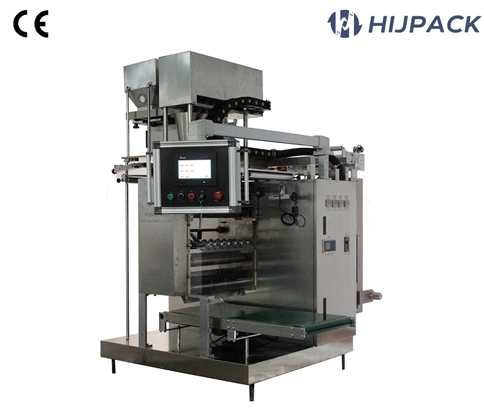
Jun 13, 2025
Blog

Brazil is one of the world’s most important coffee origins. From consistent, chocolate-and-nut style Arabica lots for espresso blends to traceable specialty microlots, Brazilian coffee is widely used by roasters, private-label companies, and beverage brands worldwide.
If you’re sourcing from Brazil and planning to sell coffee as capsules, pouches, or small sachets, you’ll need more than origin knowledge. You also need a working understanding of Brazil coffee import policies (in your destination market), the most common compliance documents, and the right packaging formats supported by reliable machinery.
This article covers: Brazilian coffee brand/market positioning, import compliance checkpoints, packaging formats, and equipment selection—so you can move from green bean purchase to shelf-ready product efficiently.
When buyers say Brazil coffee, they typically mean one of two commercial directions:
Reliable blend components (mainstream market).
Brazilian coffees are famous for sweetness, low-to-medium acidity, and chocolate/caramel/nut notes—ideal for espresso blends and high-volume retail SKUs.
Traceable specialty offerings (premium market).
More brands now highlight farm/region, processing method, and cup profile. This positioning tends to require stronger storytelling, batch traceability, and packaging that protects freshness.
No matter which route you choose, many brands convert Brazilian coffee into convenient formats—especially capsules and small packs—to increase repeat purchase. That’s where packaging lines and a dependable coffee capsule powder filling machine solution become a key operational advantage.
Import rules differ by country, but most markets evaluate coffee imports using a similar logic: product classification, traceability documents, food safety requirements, and labeling/packaging compliance. Use the checklist below as a practical starting point (always confirm with your local customs broker and food authority).
Green coffee beans, roasted beans, ground coffee, instant coffee, and coffee mixes can fall under different duty rates and regulatory requirements. Before you ship, align on:
Product description (green/roasted/ground/instant; flavored or not)
HS code and declaration elements
Intended use (retail pack vs. industrial ingredient)
Commonly required documents include:
Commercial invoice, packing list, bill of lading/air waybill
Certificate of origin (in many cases)
Product specification sheet (moisture, screen size for green; grind size for ground, etc.)
Batch/lot information and supplier traceability
For specialty coffee, additional origin documentation can strengthen brand value and help downstream claims.
Depending on your destination:
Green beans may be subject to phytosanitary controls (plant health inspections, pest controls).
Roasted/ground coffee is more often handled under food regulations—where labeling, contaminants, and general food safety compliance are emphasized.
If you import bulk coffee and re-pack locally, you must ensure:
Food-contact packaging materials comply with local rules
Labels meet language requirements and include mandatory items (net weight, origin, shelf life, ingredient statement for blends, importer info, etc.)
Claims (e.g., single origin, specialty, organic) are legally supportable with documentation
Operationally, this is where packaging equipment planning matters—especially if you’re producing multiple SKUs in different formats.
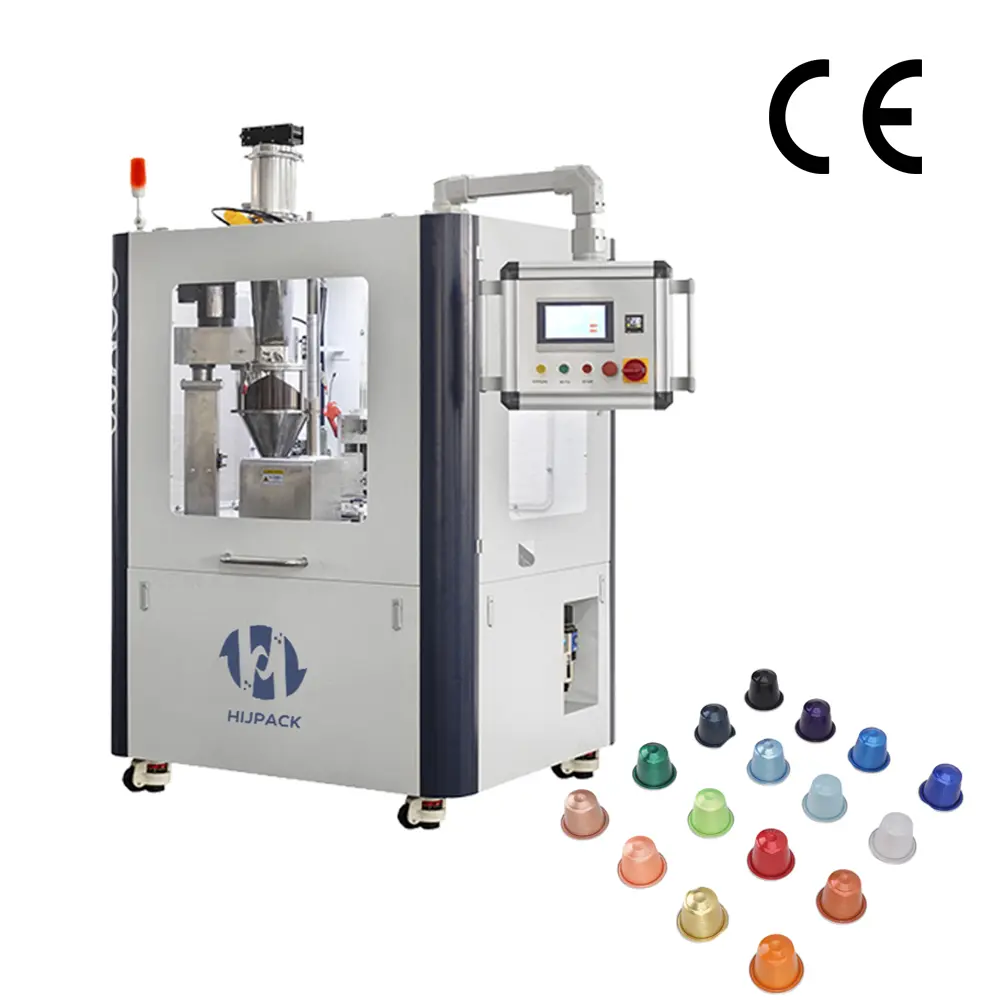
Coffee capsules continue to grow because they’re consistent, clean, and easy to use. If you’re building a capsule SKU, the production process must control dosing accuracy, tamping consistency, sealing integrity, and (often) nitrogen flushing.
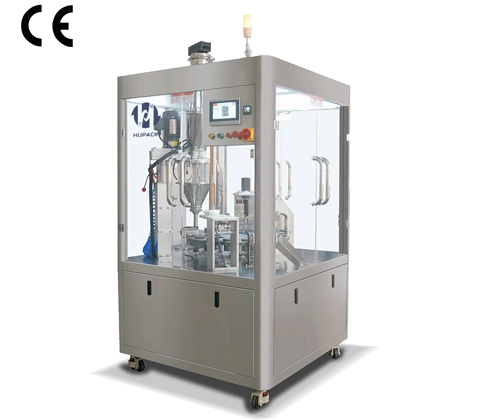
This is exactly where coffee powder capsule filling becomes the core process keyword: it covers the real needs behind capsule manufacturing—stable dosing, low dust loss, consistent compression, and reliable sealing.
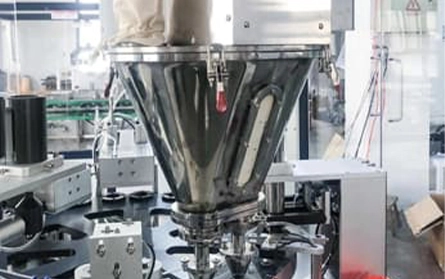
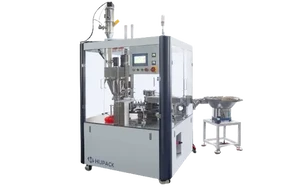
When evaluating a coffee capsule powder filling machine, confirm:
Capsule type compatibility (Nespresso-style, K-cup-style, or custom)
Output capacity and dosing tolerance
Sealing method (foil, heat seal) and leak detection
Nitrogen flushing options and oxygen control
For e-commerce and supermarket distribution, pouches remain a top choice due to cost efficiency and good shelf appearance. Popular options include stand-up pouches, quad-seal, and back-seal bags, often with high-barrier films and degassing valves (for whole beans).
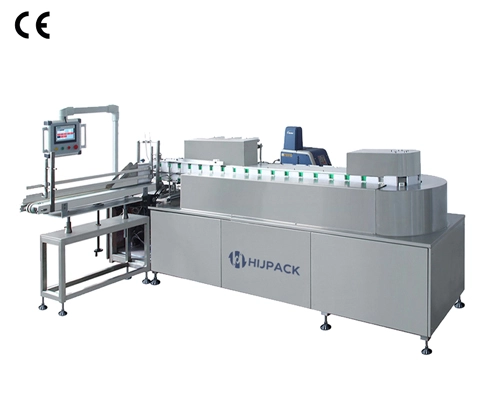
A pouch filling packing machine is typically used to automate weighing/dosing, filling, and sealing. For coffee, key considerations include:
Stable sealing on laminated barrier materials
Anti-dust design for ground coffee
Options for nitrogen flushing and zipper/valve integration (depending on your packaging spec)
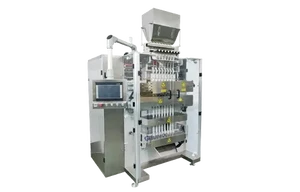
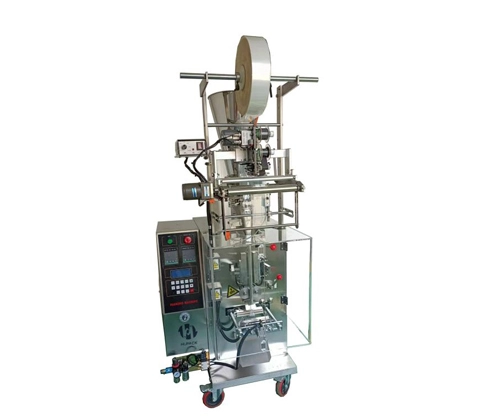
A vertical form fill and seal machine (VFFS) is widely used for high-volume bag production. It’s often selected for:
Fast output and scalable production
Integration with auger dosing (for ground coffee) or weighing systems (for beans)
Compatibility with multiple bag sizes
When packaging ground coffee, pay attention to dust management, sealing consistency, and film handling—these factors directly impact reject rate and shelf-life performance.
If your portfolio includes espresso ground coffee, drip grind, instant coffee, or powdered blends, building around a robust powder filling machine platform can simplify expansion. It also helps you cover more search demand online because “powder filling” is a broad category that captures many related buyer intents.